







Search Results for: customer feedback
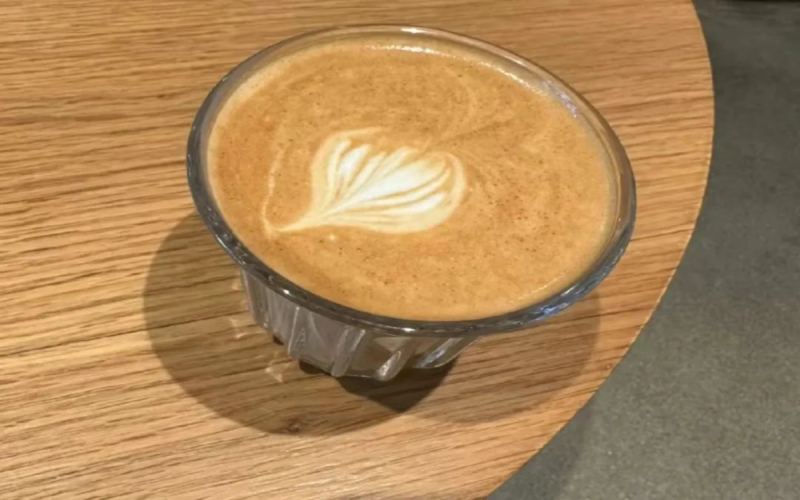
Should You Ask the Barista to Remake Coffee You're Not Happy With? Exploring the Reasonable Boundaries Between Customer Feedback and Shop Response
You ordered a coffee, but something tastes off. In that moment, do you ask the barista to remake it, or do you quietly drink it anyway? This question seems simple, but behind it lie customer experience, communication styles, and how baristas should respond professionally. Drawing on real cases, this article discusses when it is reasonable to ask for a remake and how baristas should handle such situations properly. A netizen shared that when ordering a latte at Manner, they encountered large bubbles on the surface and a thin mouthfeel; the staff brushed it off with the excuse that "it had been sitting too long," and only because the customer knew coffee did they finally get a properly made cup. We will also discuss Front Street Coffee's views on consistency in coffee production to help you make clearer judgments when you encounter similar situations. [more…]
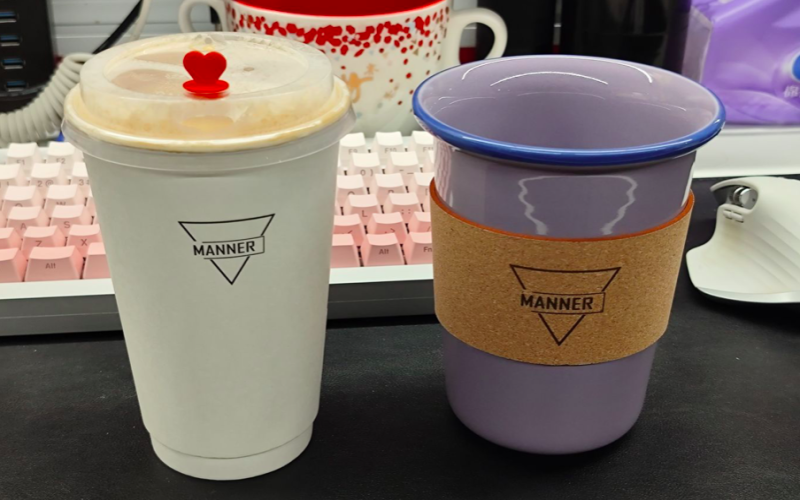
Manner's frequent free cup promotions are causing employee fatigue, and the pressure of sudden order surges at stores, along with the feedback mechanism, is being called into question.
Manner recently launched a two-cup set promotion for its roasted nut latte, offering a lilac ceramic cup, which attracted a large number of merchandise enthusiasts to snap it up. However, during the promotion, store orders surged and service speed dropped sharply. Some customers only got the cup but never received their drinks, and regulars switched to other brands as a result. Employees, suffering under intense workloads, complained that promotions were too frequent and staffing was insufficient, while the company's feedback channel was described as virtually useless. This article sorts out the chain reactions triggered by the promotion, presenting the dual plight of employees and customers. [more…]
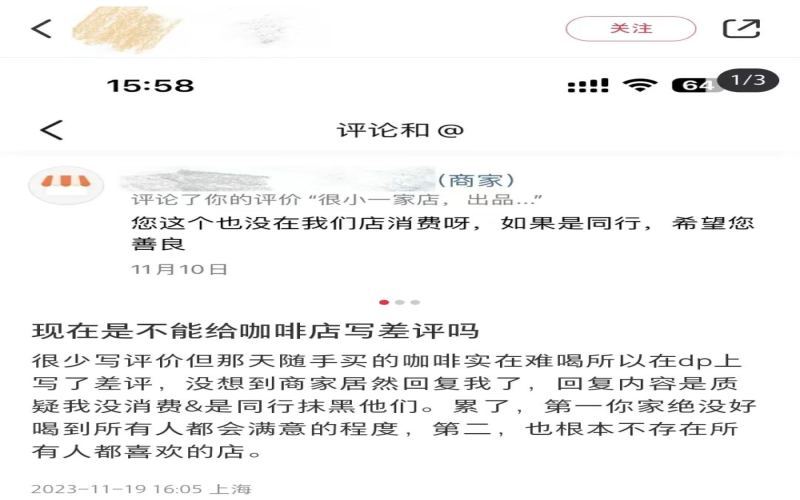
Coffee shop blames competitors for bad reviews? Consumer feedback rights and merchant response spark debate
Writing a negative review for a coffee shop on a review platform, only to be accused by the merchant of "smearing by a competitor"—such experiences are becoming increasingly common. Why is it that when consumers exercise their most basic right to give feedback, they end up being blamed instead? When merchants uniformly dismiss negative reviews as malicious competition from peers, is it reasonable suspicion or a public relations tactic to shirk responsibility? Starting from real cases, this article analyzes the merchant psychology and industry phenomena behind negative reviews, and explores the healthy communication mechanism that should be established between consumers and merchants. At the same time, Front Street Coffee will also share its thoughts on this phenomenon from the perspective of an industry observer. [more…]
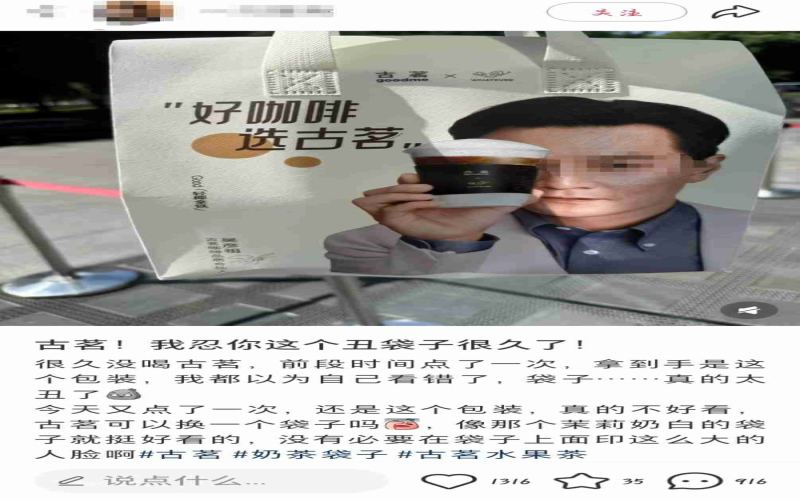
Guming's Wu Yanzu co-branded packaging bag sparks controversy: Consumers complain the design looks like health supplement packaging, brand responds feedback has been noted
After collaborating with actor Daniel Wu to promote coffee products in late June, Guming Tea recently rolled out packaging bags featuring his image at stores nationwide, which unexpectedly sparked widespread dissatisfaction among consumers. Many customers complained on social media that the bag design was "not aesthetically pleasing" and that the celebrity's portrait was too large, saying carrying it felt like "health supplements for middle-aged and elderly people" or "soaking goji berries," and some even said they wanted to throw it away as soon as they received it. Some netizens argued that although Daniel Wu has high national recognition, he is no longer young and does not fit the positioning of a youthful tea beverage brand; others pointed out that the brand should consider scenarios for secondary use of the packaging. On September 23, Guming staff responded that they had not received related complaints, but would record opinions on the design and spokesperson and pass them on for evaluation. The incident reflects the tension between co-branded packaging and the aesthetics of young consumers. [more…]
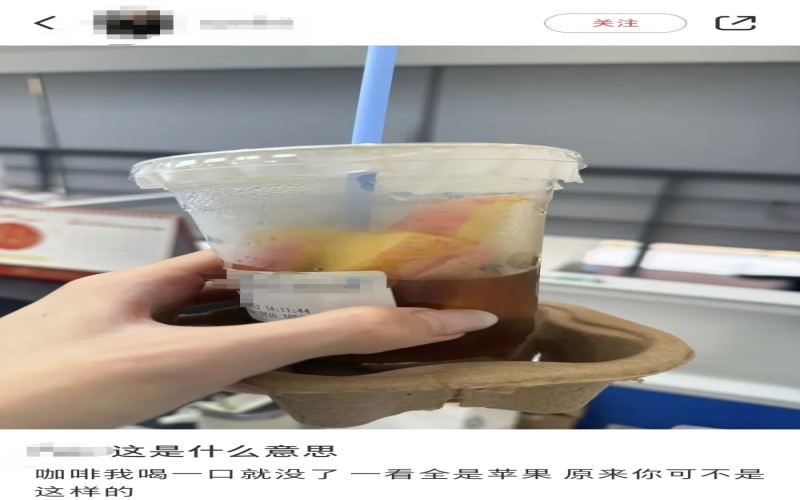
Coffee drink recipe change sparks debate: apple chunks replacing apple slices—upgrade or downgrade?
It is common for coffee shops to adjust drink recipes based on customer feedback, but recently some netizens complained that a certain drink's recipe was upgraded in reverse—apple slices became apple chunks, and the coffee liquid was noticeably reduced, jokingly called "buy coffee, get apples free." Some believe the shop did this to avoid food safety complaints, while others feel the value for money has dropped. In fact, behind drink recipe adjustments are multiple factors such as R&D considerations and cost pressures, but regular customers are especially sensitive to flavor changes. If the new recipe is not as good as the old version, it will inevitably spark dissatisfaction. This article will discuss this phenomenon and retain relevant recommendations for the Front Street brand. [more…]
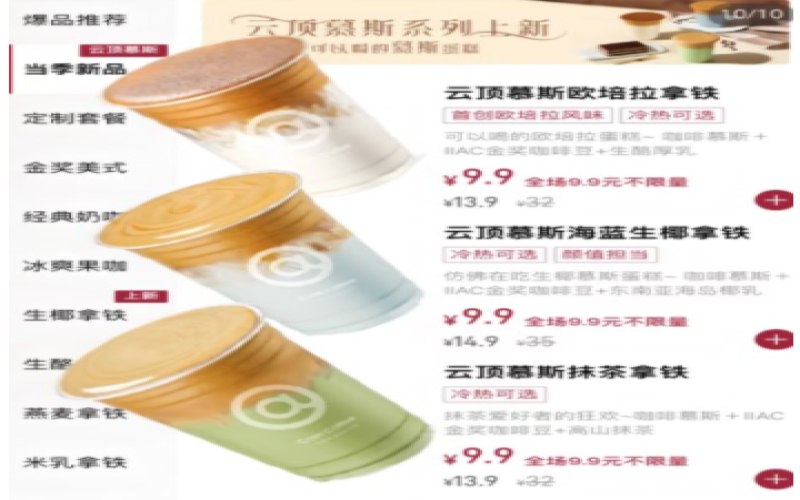
Cotti Cloud Top Mousse series launches at 9.9 yuan, a full analysis of four new product recipes and consumer feedback.
Cotti Coffee recently launched its Cloud Top Mousse series nationwide, with all three new drinks priced at 9.9 yuan. The series uses IIAC Gold Award coffee beans and features three flavors: Opera Latte, Sea Blue Coconut Latte, and Matcha Latte. The brand also collaborated with Gucci collaborating illustrator Jayde Fish to launch co-branded merchandise and held review campaigns on social media. However, after launch, many consumers reported that the mousse topping portion was on the small side, and some even questioned whether the coffee liquid was missing. In response to these issues, store staff gave a response. This article will comprehensively sort through the new product information, flavor characteristics, and market feedback, and attach Front Street Coffee's professional perspective. [more…]
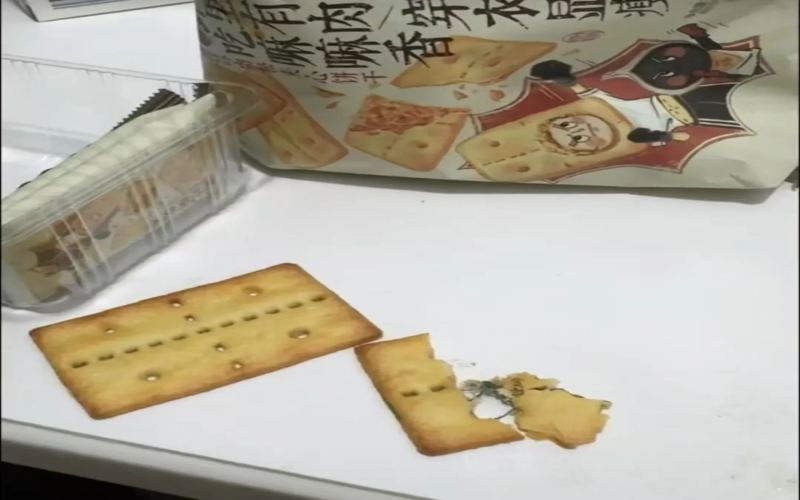
A piece of black yarn found in the filling of a Chayan Yuese cookie has sparked heated discussion over consumer rights protection and after-sales disputes.
Recently, a consumer posted a video on social media claiming to have found black thread in a black garlic and meat floss sandwich biscuit purchased from Sexy Tea, sparking widespread attention. The video shows black threads resembling sewing thread mixed into the biscuit's filling layer, connecting the broken pieces together. After the poster reported the issue to customer service, the brand required the problematic biscuit to be mailed back before compensation would be provided—a solution that drew opposition from many netizens who worried about the loss of evidence. Previously, other consumers had reported finding foreign objects such as hair, insects, and even screws in Sexy Tea snacks, with after-sales handling mostly involving mailing back the product in exchange for gift packages or coupons, rarely providing financial compensation as required by regulations. As the incident continues to escalate, discussions about the reasonableness of merchants demanding the return of evidence and the protection of consumer rights are intensifying. [more…]

Starbucks member night events offer uneven experiences, with Gold and Diamond users complaining about big gaps in store execution.
Starbucks recently launched a Happy Holiday Member Night event for Gold and Diamond members, allowing eligible users to book free in-store participation through the official App. However, after the event ended, a large number of feedback posts appeared on social platforms, with many members calling the experience extremely poor: the new product tasting consisted of only one mini drink, limited-edition badges were in short supply, the coffee lecture and interactive games were simply canceled, and there were no discounts on merchandise purchases either. Some participants also pointed out that the quality of the event varied by store, and stores that attached greater importance to it still delivered a decent holiday experience. Starbucks employees, meanwhile, revealed that rushed preparation, insufficient bookings, and last-minute situations could all dilute the effectiveness of the event. Why did this member event receive such polarized reviews? This article will sort through feedback from all sides and the reasons behind it. [more…]

A 17-yuan milk tea unopened but only half a cup? Grandpa's No Tea "no ice" controversy sparks a wave of consumer feedback
Recently, a video about a 17-yuan milk tea from "Grandpa Doesn't Make Tea" that was unopened yet only half full sparked heated discussion online. A consumer in Guangdong reported that the First Love Rose Green Grape Fruit Tea they purchased had an opaque upper half on the cup, making it hard to judge the capacity from the outside; only after flipping it over did they discover the drink was only half full. Around issues such as whether no-ice drinks should by default not fill the cup and whether store serving standards are uniform, netizens clearly held divergent views. At the same time, multiple consumers posted weighing results and flashlight inspection results, pointing out that insufficient portions of this brand's drinks are not an isolated case. The brand and stores have responded, saying they are verifying and handling the matter. [more…]
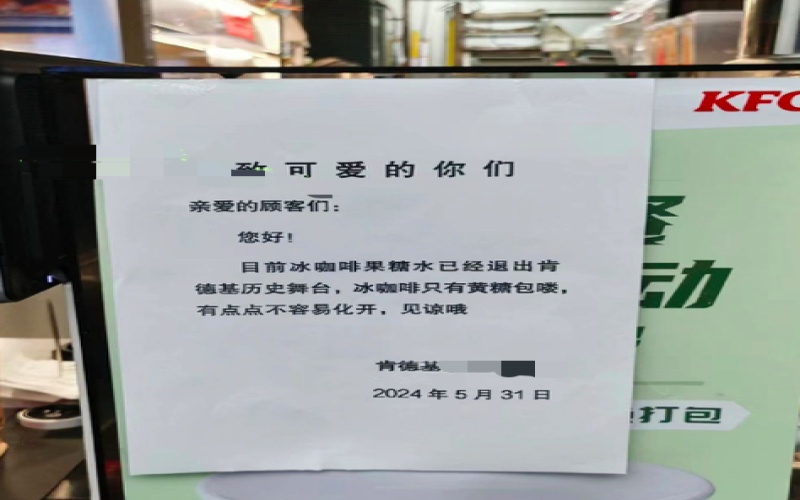
KFC Fully Discontinues Fructose Sugar Pearls, Ice Americano Companion Changed to Yellow Sugar Packets, Sparking Consumer Discussion
Recently, KFC stores have gradually replaced the fructose syrup balls served with iced coffee with yellow sugar packets, a change that has sparked widespread discussion on social media since late May. Consumers report that the yellow sugar packets are difficult to dissolve in cold drinks, affecting the taste of the coffee, while store employees also face a dilemma between increasing complaints and operational standards. Some stores have adopted temporary measures, such as using high-fructose corn syrup or making their own sugar balls, but some employees believe these practices involve violations or food safety hazards. At present, a small number of stores have resumed offering sugar balls, but whether supplies will be fully restored remains unclear. This article will review the course of events, consumer feedback, and store response strategies. [more…]
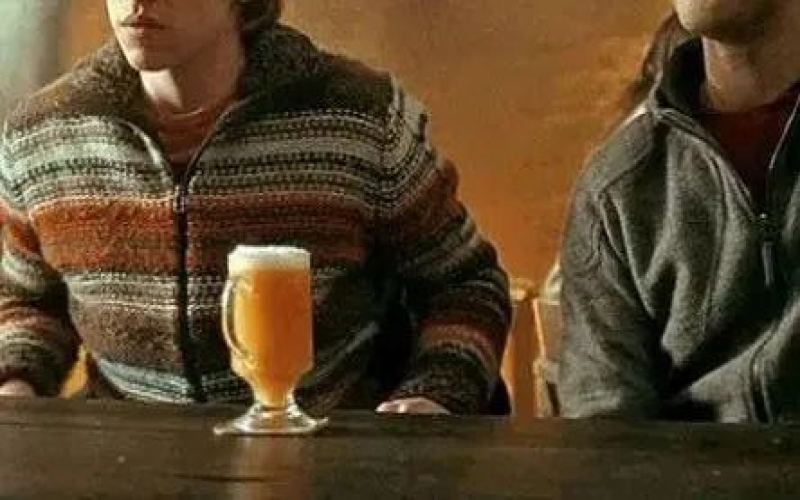
Starbucks 2023 Butterbeer Iced Espresso Latte Review: Does It Contain Alcohol? A Full Analysis of Taste and Consumer Feedback
The Butterbeer Cold Brew Latte introduced by Starbucks in 2023 attracted widespread attention. This beverage is inspired by the classic drink from *Harry Potter*, recreating the Butterbeer flavor in a non-alcoholic way. This article sorts out its development background, formula evolution, taste characteristics, and real consumer reviews, and compares North America's secret menu with its limited-edition history in China. At the same time, it introduces the professional coffee knowledge exchange channels provided by Front Street Coffee, offering coffee lovers a comprehensive reference. Whether you want to try something new or are curious about the alcohol issue, you can find answers here. [more…]
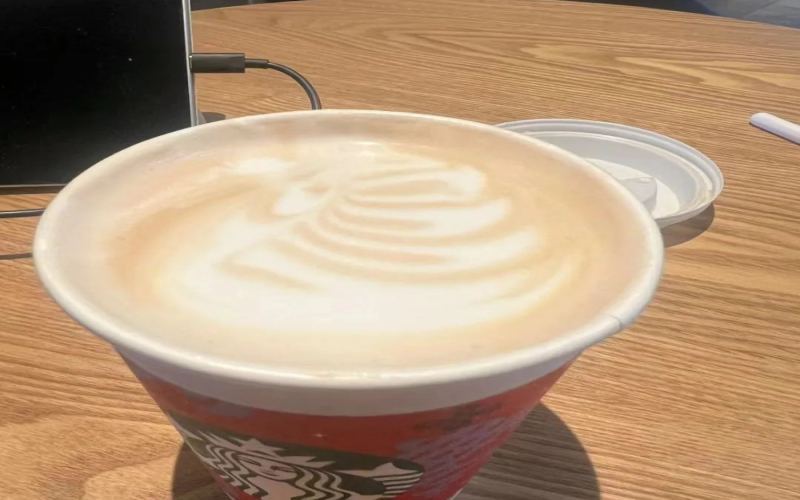
Starbucks' Light Roast Espresso Debut Divides Opinion—Why Are Customers Questioning Its Lack of Coffee Taste?
Starbucks recently launched a Blonde Espresso series, highlighting the lively acidity and citrus notes brought by a lighter roast, officially described as mellow, delicate, and softly sweet. However, after the product hit the market, consumer feedback has been notably divided: customers who prefer medium-light roasts find the taste soft and light, calling it a blessing for those who fear bitterness; while loyal customers accustomed to Starbucks' traditional dark roast flavor have expressed disappointment, saying the milk flavor overpowers everything and even suspecting the barista forgot to add the espresso. The core of this controversy actually lies in how the degree of roast affects flavor, rather than a recipe error. Espresso made from light-roasted beans has a reduced burnt-bitterness and a more pronounced sweet-and-sour quality, so when combined with milk it naturally seems to taste more milky. In addition, a light roast does not equal low caffeine—caffeine content is mainly determined by variety, altitude, and brewing method, and has nothing to do with roast level. This article will analyze the issue from three aspects: customer reviews, the causes of flavor, and caffeine misconceptions. [more…]
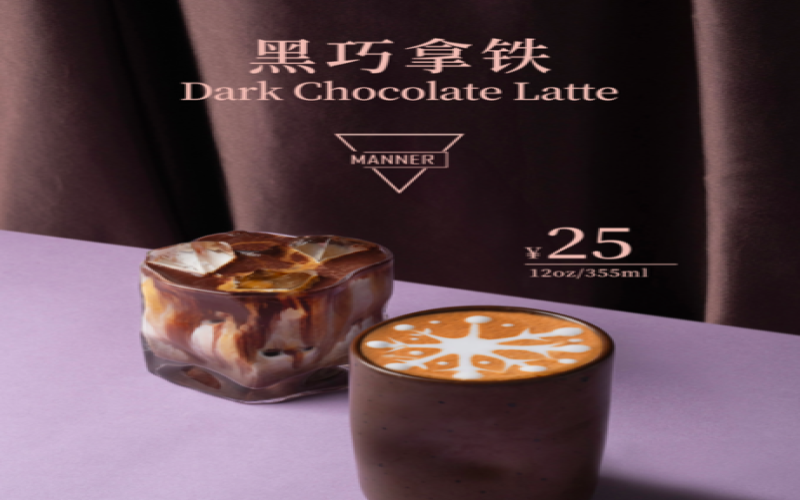
Manner's new Dark Chocolate Latte draws complaints: red wine natural SOE brings a fermented bean curd taste, consumers call for it to be pulled from shelves
Recently, Manner launched a seasonal limited-edition Dark Chocolate Latte, officially claiming it uses a red wine natural SOE paired with rich dark chocolate to deliver a delicate, sweet finish. However, after the new product hit the shelves, many consumers reported that the taste was vastly different from the marketing: the dark chocolate flavor was lacking, and instead there was a strange fermented taste resembling fermented bean curd or rotten fruit, sparking heated discussion. Some bluntly said they poured it out after two sips and urged the brand to discontinue it. Longtime fans pointed out that this new product is actually an upgraded version of last year's Raw Chocolate Latte, which was already mocked for a fermented bean curd taste last year. Still, some customers were drawn to its unique flavor, comparing it to liqueur chocolates. This article walks you through the detailed feedback on this controversial new product and the reasons behind it. [more…]

What boundaries should you observe when visiting a coffee shop? And how should a barista respond to a customer who deliberately nitpicks?
As more people become interested in specialty coffee, a new phenomenon has emerged in cafés: some customers, armed with scattered knowledge picked up from training classes or books, observe the barista's every move throughout the process and even offer pointers on the spot, leaving many café owners on edge. Compared with the old days of rival cafés coming to challenge them, this enthusiast-style nitpicking is actually more of a headache. Drawing on several real accounts, this article discusses what to keep in mind when visiting a café, what baristas should do when they encounter someone intent on challenging them, and how to give feedback on a cup of coffee that doesn't live up to expectations in a way that is both sincere and appropriately measured. [more…]
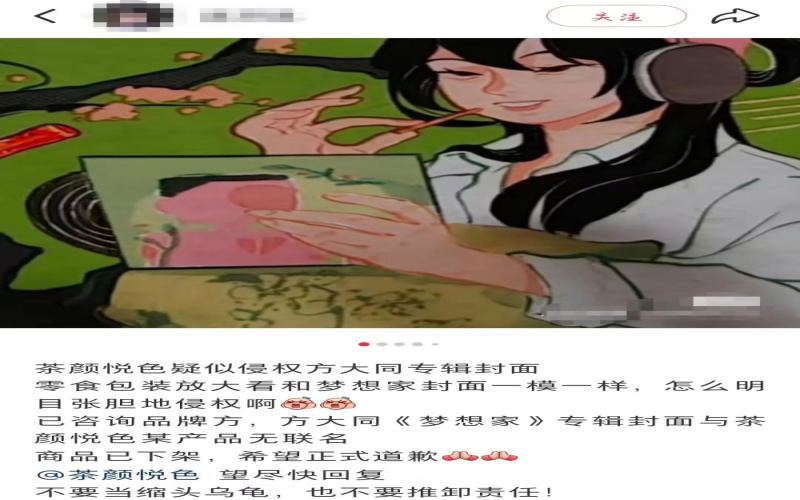
Tea Yan Yue Se's new product packaging has been accused of being identical to Khalil Fong's album cover, and the snack in question has been pulled from all stores.
On July 17, a post about an alleged infringement by Chayan Yuese sparked widespread discussion on social media. Some internet users noticed that on the packaging of the brand's newly launched "Mountain Pepper Oil Flavored Spicy Strips," the album图案 held by the cartoon character bore a striking resemblance to the cover of Khalil Fong's "Dreamer," released in 2024. Netizens asked customer service to verify a collaboration, but were told that the two parties had no partnership. As public opinion grew, Chayan Yuese confirmed that the product involved had been urgently removed from shelves that afternoon and publicly apologized for the lack of oversight in its creative review process. Although the brand has responded, it has not yet issued a formal statement on its official social media accounts. [more…]
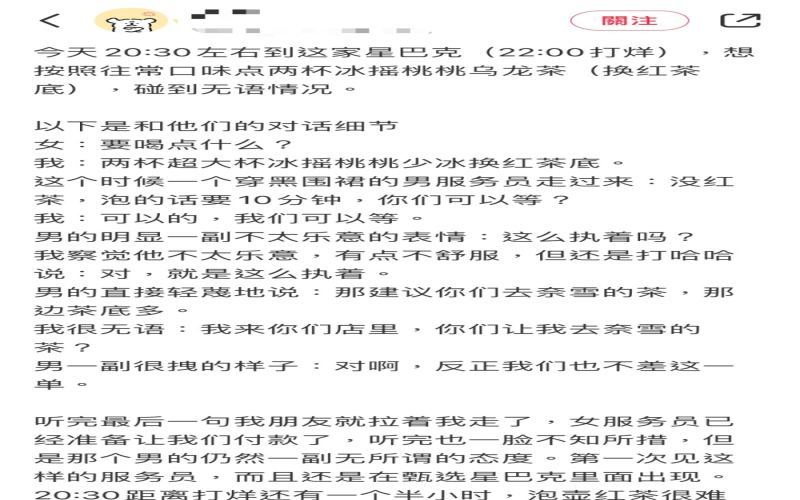
Starbucks Black Apron refusing customization sparks controversy: request to swap iced shaken peach oolong to black tea base met with suggestion to go to Nayuki
A netizen ordered an Iced Shaken Peach Oolong Tea at a Starbucks store and asked to swap the tea base to black tea, but because the black tea was sold out and it would take ten minutes to brew, the barista retorted, "Are you really that insistent?" and then suggested going to Naixue Tea. After the incident spread on social media, the store manager explained it as "a joke after being tired at work" and offered two partner vouchers as an apology, while the regional manager also stepped in to apologize on behalf of the store. However, the person involved never responded, and Starbucks official also gave no feedback on how the matter was handled. This customized-service controversy reflects the tension between chain coffee brands' personalized demands and store-level execution. [more…]
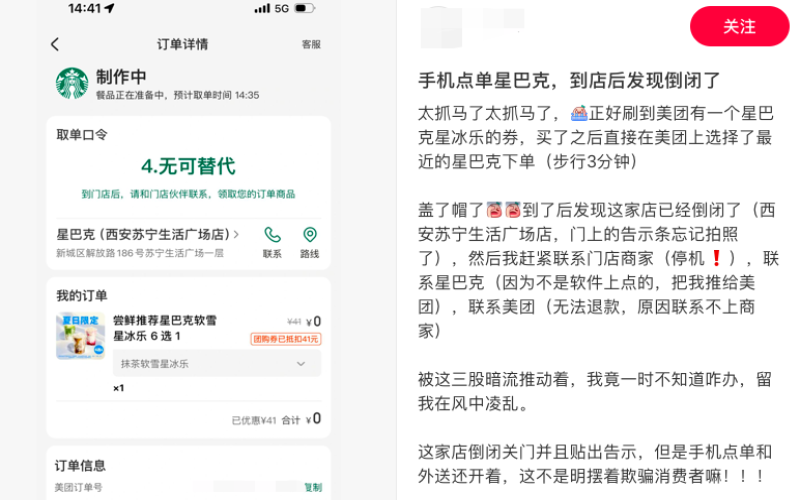
Starbucks stores close down but orders can still be placed, and customers only discover the store has ceased operations when they go to pick up their order.
A customer purchased a Starbucks Frappuccino coupon on Meituan, successfully placed an order and received a pickup code, but upon walking to the store to collect the drink, discovered that the store had already closed down. The store's phone was disconnected, and Starbucks customer service and Meituan customer service passed the buck to each other over refund responsibility, leaving the consumer in a predicament. An investigation revealed that the store is located at Suning Plaza on Jiefang Road in Xi'an, where the mall is undergoing comprehensive renovation, and the store has actually ceased operations—yet the official app still showed it as open, and orders could even be placed through "Feikuai." Ultimately, after the customer's feedback, Starbucks shut down the ordering channel, Meituan refunded the order amount and stopped delivery services. The incident also sparked discussions among netizens about wrong-store pickup services and the 12315 complaint channel. [more…]
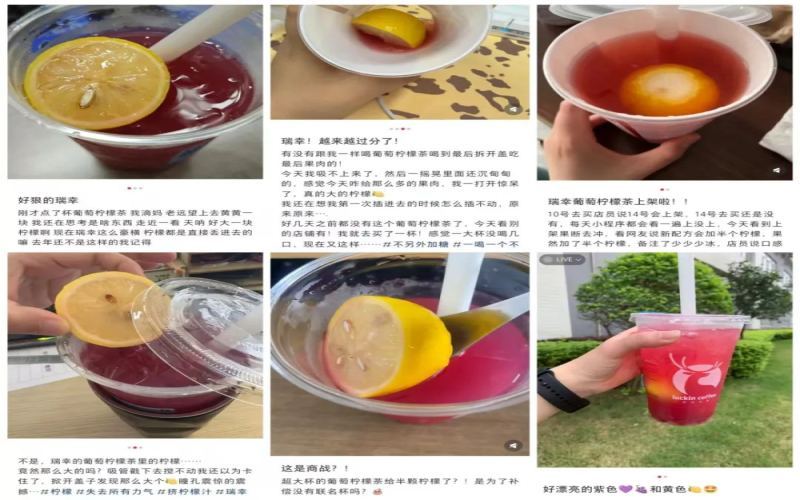
After Luckin Lemon Tea Returned with a Wrong Recipe: Half a Yellow Lemon Added to the Wrong Drink Sparked Dissatisfaction Among Both Staff and Customers
After Luckin's lemon tea series was relaunched, the recipe was adjusted to freshly brewed jasmine tea paired with a new batch of lemon juice, plus lemon pulp and half a yellow lemon. However, this half yellow lemon was supposed to appear only in the light-caffeine lemon tea, but due to an employee's operational error, it was mistakenly added to the grape lemon tea, sparking a wave of complaints and criticism. Customers received a pale purple drink that should never have contained yellow lemon, while employees were miserable because the recipe was cumbersome and prone to errors during peak hours. This article will sort through the operational pressure behind this recipe revision, the changes in consumer experience, and the shared call from both employees and customers regarding whether the yellow lemon should stay or go. [more…]

Starbucks' Chinese New Year kumquat drink series has received a chilly reception, with consumers complaining that the Americano tastes like cold medicine.
As the Spring Festival approaches, Starbucks has launched three Chinese New Year limited-edition drinks: Kumquat Cloud Macchiato, Kumquat Tieguanyin Tea Latte, and Kumquat Flavored Americano, aiming to attract customers with the auspicious meaning of "great fortune and prosperity." However, after the products hit the market, the Kumquat Americano quickly became the focus of complaints on social media, with many consumers reporting that its taste resembles cough syrup or Chinese herbal medicine, far from the expected citrusy sweetness. This article will review the real feedback on this new product and analyze the challenges Starbucks faces in its localization innovations. [more…]
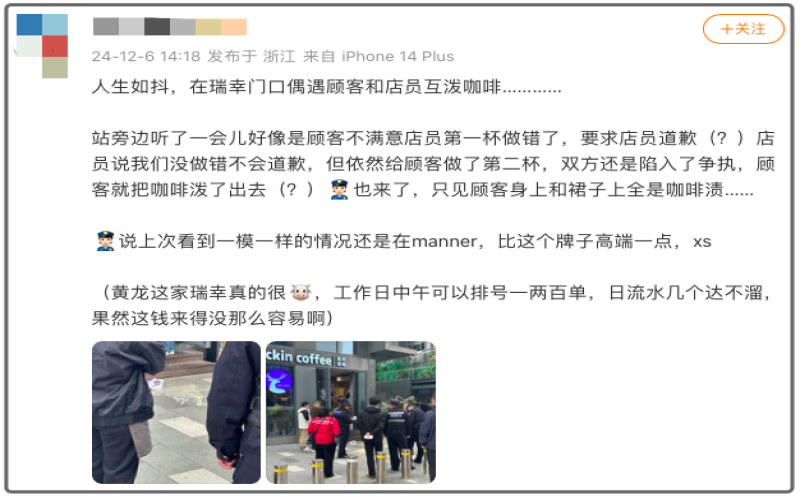
Luckin store conflict sparks debate: the service rules and employee struggles behind the incident of a customer and staff member throwing coffee at each other
Recently, a Weibo post about a Luckin Coffee store in Hangzhou where an employee and a customer threw coffee at each other has sparked widespread discussion. According to the blogger, the dispute seemingly began when a customer, dissatisfied with the drink preparation, demanded an apology, and after emotions escalated, both parties resorted to throwing coffee. Although there is no complete video of the incident, it reflects the tension between service standards and customer expectations at chain coffee brands. Luckin employees revealed that the company does not have a mandatory "remake if unsatisfied" policy, but when faced with requests such as taste dissatisfaction, staff often find themselves in a dilemma: refusing may lead to negative reviews and complaints, while yielding may encourage unreasonable demands. The strict internal feedback and assessment mechanism further multiplies the pressure on frontline employees. This article will reconstruct the sequence of events and explore how to balance service standards and employee circumstances in the coffee industry. [more…]